
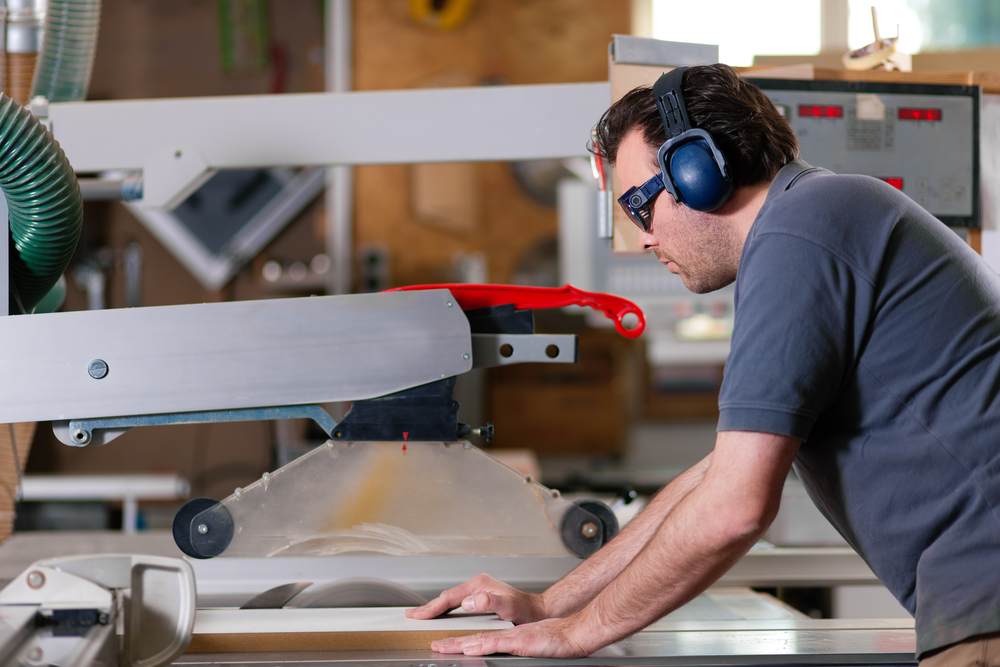
Your hearing health can be drastically affected by long-term noise exposure, especially in environments where noise intensity surpasses safe limits. It is essential to shield your ears, not just to prevent hearing damage, but also to help you maintain concentration in loud surroundings. What is the best way to select the level of hearing protection that is suitable for you?
Understanding noise levels and their consequences
When assessing the impact of noise, the duration of exposure is as critical as the sound’s intensity. We use dB—a unit that quantifies sound intensity—as the best metric for grasping noise levels. When sound levels hit 85 dB or higher, they can begin to harm your hearing, particularly with prolonged exposure.
For comparison, 85 dB is comparable to the noise level of city traffic experienced from inside a car. Though this loudness might not seem excessive, spending eight hours in it continuously can cause hearing impairment. The safe duration for exposure lessens proportionally as the noise level gets higher:
- 90 dB (Lawnmower): Up to 4 hours of exposure can be harmful.
- 100 dB (Power tools): Limit exposure to 1 hour or less.
- 110 dB (Leaf blower): Just 15 minutes of exposure can cause damage.
- 120 dB (Rock concert): Any exposure at this level can damage your hearing.
- 140 dB (Jet engine): Immediate damage and pain can occur.
Recognizing dangerous sound volumes
You must wear hearing protection when frequently exposed to 85 dB or louder sounds. Such protection is chiefly critical in industrial settings, including factories and construction sites, or any places where excessive noise is produced by devices, equipment, or machinery.
Even outside of the workplace, there are instances where hearing protection can be useful—attending concerts, using leaf blowers, or engaging in recreational shooting sports are all pastimes that can expose you to unsafe noise levels.
Choosing protection with the aid of Noise Reduction Ratings
Hearing protection efficacy is measured using the Noise Reduction Rating (the NRR) scale. Measured in decibels, this figure indicates the amount of sound blockage the device offers. A more substantial decrease in sound is guaranteed by higher NRR ratings. To give a concrete example, a 30 dB NRR on earplugs would decrease an 85 dB noise down to 55 dB, which is a sound level far below the dangerous limit.
In choosing protection, you must evaluate the specific noise levels you face and ensure your chosen device reduces the sound sufficiently to remain under 85 dB.
Why comfort is necessary for wearing hearing protection all the time
Comfort is a factor of equal significance to the NRR, as it strongly affects whether you will use the protection consistently for the extended period. If the hearing protection is cumbersome or uncomfortable, you are more likely to remove it, which leaves your hearing unprotected against dangerous noise.
Comfortable hearing protection encourages steady use, lowering the danger of intermittent exposure. To demonstrate, heavy or ill-fitting earmuffs may be removed by the wearer periodically, exposing their ears to damaging sound levels.
Exploring the multiple options of ear protection
Hearing protection is available in several forms, each with its advantages and drawbacks:
- Foam Earplugs are worn in the ear canal and deliver excellent protection; they are disposable and light, but not everyone finds them comfortable.
- Pre-Molded Earplugs: These rest just outside the ear canal and are reusable, making them a more sustainable option. They’re easier to insert and remove compared to foam earplugs.
- Covering the whole ear, Earmuffs are perfect for settings where noise volume changes, as they can be easily removed and replaced. Their drawbacks include potentially feeling warm or heavy over a long period.
Choosing the best type is dictated by your comfort and the demands of your environment. For instance, workers in construction may favor the ease of use of earmuffs, while factory staff might opt for earplugs for continuous wear.
Committing to constant hearing protection wear
The protection that is used without fail is, by its very design, the best performing kind. Even a short time without protection can result in permanent consequences on your auditory health. A device that successfully integrates convenience, protection, and comfort is, as a result, critical.
Securing your auditory health
While noise is always present in our daily lives, using the proper hearing protection allows you to shield your ears and continue to appreciate the sounds of the world.
Speak with us now to review your potential of noise-induced hearing loss and find out how to best preserve your hearing health.