
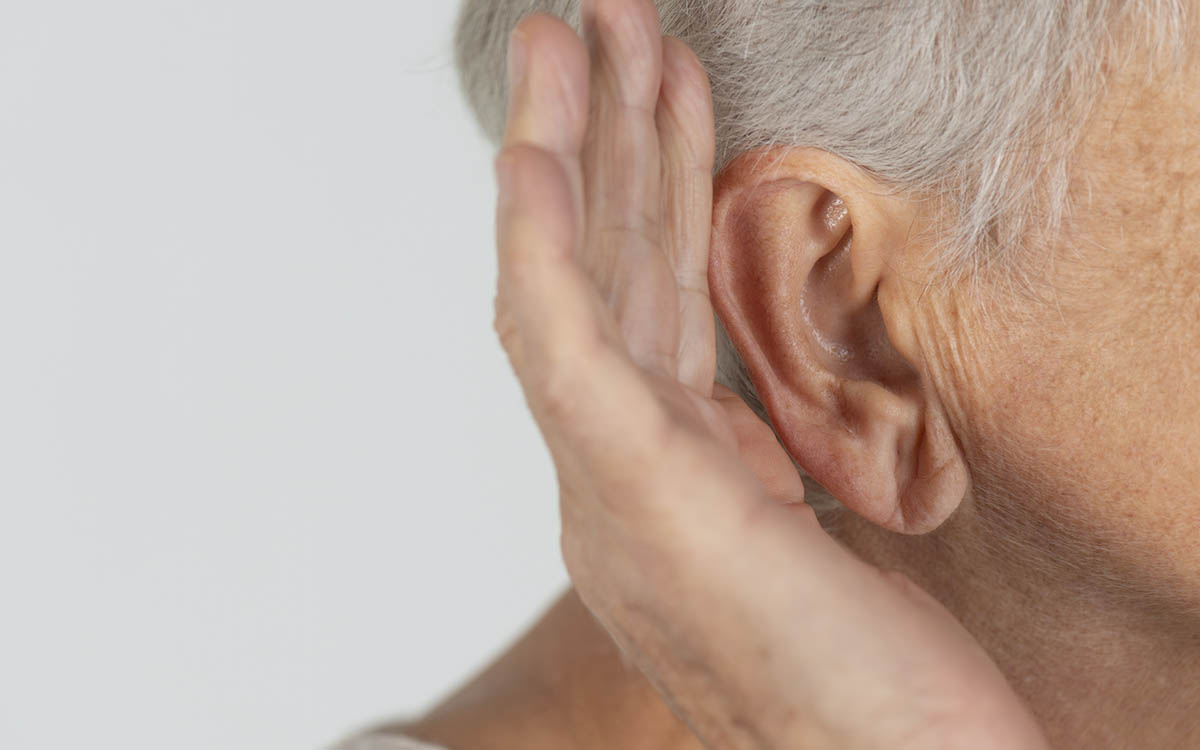
Commonly, clinicians link hearing loss with getting older, but for millions of Americans, auditory trauma initiates much earlier in life. Noise-induced hearing loss represents a common, preventable auditory pathology, but it often occurs gradually and goes unnoticed until the effects are permanent.
Grasping the longitudinal impact of sound exposure on the auditory system is essential for implementing safeguards prior to the onset of clinical hearing loss.
Establishing the Clinical Indicators of Noise-Related Hearing Loss
The pathology of noise-induced hearing loss involves trauma to the sensitive anatomical structures within the inner ear. The Centers for Disease Control and Prevention state that, sustained or frequent exposure to sounds exceeding 85 decibels, such as heavy traffic, can initiate auditory damage. More intense acoustic stimuli, such as power equipment or firearms, are capable of inducing auditory trauma in a matter of minutes.
Inside the inner ear are tiny sensory cells called hair cells. These units are responsible for translating sound waves into the electrical signals required for auditory perception. Following injury, these hair cells lack the biological capacity to regenerate, which renders noise-related hearing loss an irreversible condition.
Tracking the Incremental Progression of Auditory Impairment
It is clinically significant that noise-induced hearing loss often manifests through a slow, cumulative process. Initial signs of auditory overexposure may present as:
- Transient auditory sensations such as ringing or buzzing (Tinnitus)
- Post-exposure auditory dullness or perceived muffling of sound
- Challenges involving speech comprehension within high-noise settings
These early warning signs may fade, leading people to assume their hearing has “recovered”. Despite the lack of symptoms, persistent noise exposure causes cumulative injury to the ear, steadily eroding hearing precision.
The hearing loss Association of America estimates that 48 million individuals in the US suffer from hearing loss, frequently with unidentified etiology.
Frequent Acoustic Triggers of Ear Injury
Modern society is characterized by high ambient noise, which frequently leads to a lack of awareness regarding sound intensity. For this reason, many people are surprised to learn how common harmful noise exposure is.
Typical noise-generating sources consist of:
- Live music venues and concerts
- Personal audio devices utilized at excessive decibel levels
- Gas-powered lawn tools, industrial machinery, and motorcycles
- Professional exposure to high-volume noise in manufacturing and labor industries
Because these sounds are often part of daily life, damage can accumulate without clear warning signs.
Why Proactive Safeguards Remain a Critical Priority
A distinguishing factor of noise-induced hearing loss is the lack of clinical reversal options. Despite its permanence, the condition is significantly preventable. Risk reduction can be achieved through fundamental protective habits, including:
- Employing earplugs or specialized earmuffs during high-decibel exposure
- Limiting headphone decibels and implementing the 60/60 rule for safe listening
- Implementing quiet intervals to permit the auditory system to rest
- Scheduling regular hearing evaluations if you’re frequently exposed to loud noise
Indicators to Seek Clinical Audiology Services
Should you experience persistent Tinnitus or a decline in conversational understanding, a professional evaluation is indicated. Early intervention through an Audiologist allows for the monitoring and implementation of essential protective measures.
Prioritizing auditory health now ensures the preservation of hearing clarity for the future. While environmental noise is often inevitable, hearing loss is a preventable outcome. Contact our team today to schedule a consultation and make sure you’re hearing your best.