
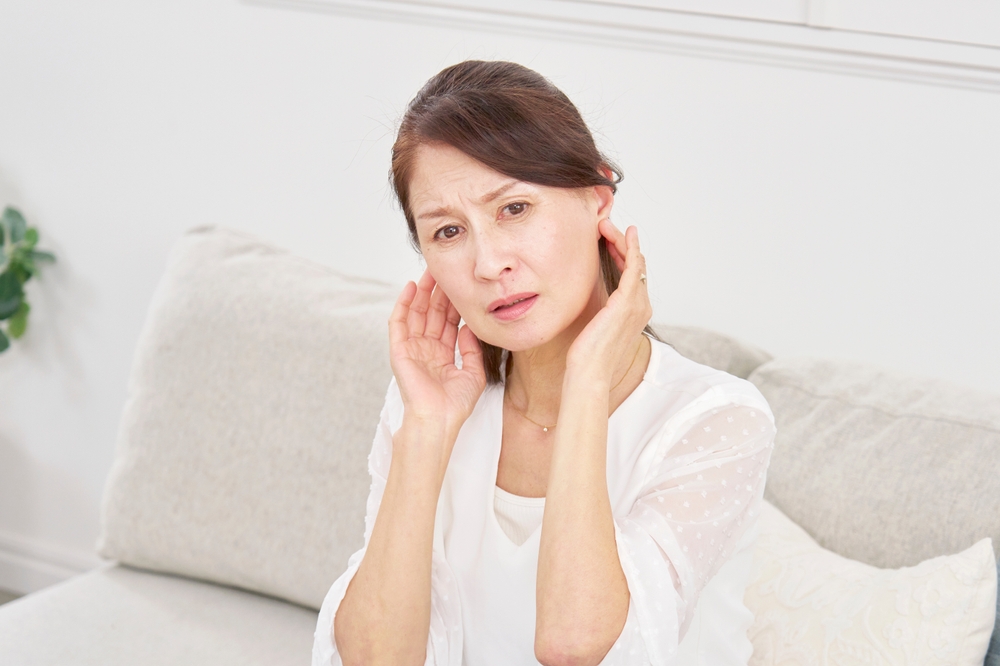
Waking up one morning and realizing you have lost your hearing is an alarming scenario for anyone. Sudden hearing loss feels sharp and confusing, especially when it happens without prior pain or warning. Though certain triggers are short-term and easy to resolve, others demand rapid clinical intervention.
Gaining insight into why hearing fails rapidly and prioritizing immediate care is essential for future health. Below, we’re examining sudden hearing loss, possible causes, and how to access professional care.
Understanding Rapid Auditory Decline
Sudden hearing loss typically refers to a rapid decline in hearing occurring nearly immediately or over a three-day period. This loss is usually one-sided, although it can present in both ears under specific circumstances. Symptoms can range from perceiving muffled noise to experiencing tinnitus, a sensation of aural fullness, or compromised speech recognition.
Identifying Sudden Sensorineural Hearing Loss
SSHL stands as one of the most critical conditions for an audiologist to investigate quickly.
We define this loss as a failure of the inner ear or the complex nerve systems involved in sound transmission. While a definitive cause may be difficult to pin down, the following factors frequently play a role:
- Compromised circulation within the cochlear system
- Increased inflammation within the auditory pathways
- Infection-based nerve disruption
- Neurological factors
Medical experts classify SSHL as an emergency because immediate therapy improves the chance of complete recovery.
Infection-Based Auditory Loss
Viral activity often leads to inflammation in the auditory canal, resulting in major auditory changes.
Common viral triggers tied to sudden hearing impairment are:
- Normal upper-airway viral activity
- Systemic flu-related inflammation
- Neural infections
- COVID-19–related viral effects
Auditory symptoms often manifest during the height of an illness or in the early recovery phase, sometimes with vertigo.
Traumatic Triggers for Hearing Change
Direct impact to the skull, swift shifts in ambient pressure, or severe sound blasts can injure the ear’s internal mechanisms.
The following scenarios are typical causes of injury-based hearing impairment:
- Traumatic brain injuries or concussions
- Acoustic or atmospheric barotrauma
- High-decibel acoustic trauma
- Disturbances in cochlear fluid balance
Even minor injuries can affect hearing, especially if symptoms appear shortly following.
Earwax Buildup or Blockage
Impacted earwax, while easily treated, can mimic the symptoms of critical sudden hearing conditions.
Earwax-related hearing loss may:
- Occur almost instantaneously
- Present as a persistent internal pressure
- Impact one ear more than the other
- Improve once the blockage is professionally removed
Importantly, it’s not always easy to tell at home whether hearing loss is due to wax or something more serious. Consequently, an expert audiology assessment is essential.
Exploring Secondary Triggers for Hearing Changes
Other variables that can affect a sudden drop in hearing include:
- Secondary reactions to ototoxic medications
- Vascular health issues impacting the ear
- Immune-mediated inner ear disease
- Acoustic neuromas or related rare tumors
A comprehensive hearing evaluation helps rule out these possibilities.
The Time-Sensitive Nature of Treating Hearing Loss
It is essential to understand that delaying evaluation for sudden hearing loss is a major risk.
A fast response from a specialist can help:
- Identify reversible causes
- Boost the effectiveness of treatment
- Mitigate the risk of permanent auditory deterioration
- Minimize the impact on your long-term ability to communicate
Detailed hearing tests are the primary tool for categorizing the impairment and establishing a recovery plan.
When Rapid Hearing Changes Require an Immediate Call
Immediate clinical attention is needed if any of the following symptoms manifest:
- Sudden hearing loss in one or both ears
- Hearing changes with dizziness or imbalance
- Abrupt auditory buzzing or a feeling of blockage
- Diminished hearing immediately following an injury or sickness
Though your hearing may seem to recover slightly, a professional check-up is still vital for a full diagnosis.
Rapid Diagnostics for Auditory Clarity
A professional test provides an immediate answer as to whether the impairment is:
- Related to mechanical blockages or conductive barriers
- A sensorineural problem involving fragile neural pathways
- Temporary or potentially permanent
Early testing supports faster treatment decisions and better outcomes.
Take Sudden Hearing Changes Seriously
Abrupt hearing changes are naturally frightening, yet prompt action is your best path toward restoration.
Choosing to get evaluated immediately after a change in hearing ensures you are taking the right steps for your future. We’re here for you if you experience sudden hearing loss: Call our care team as soon as possible at our office for the help you need.