
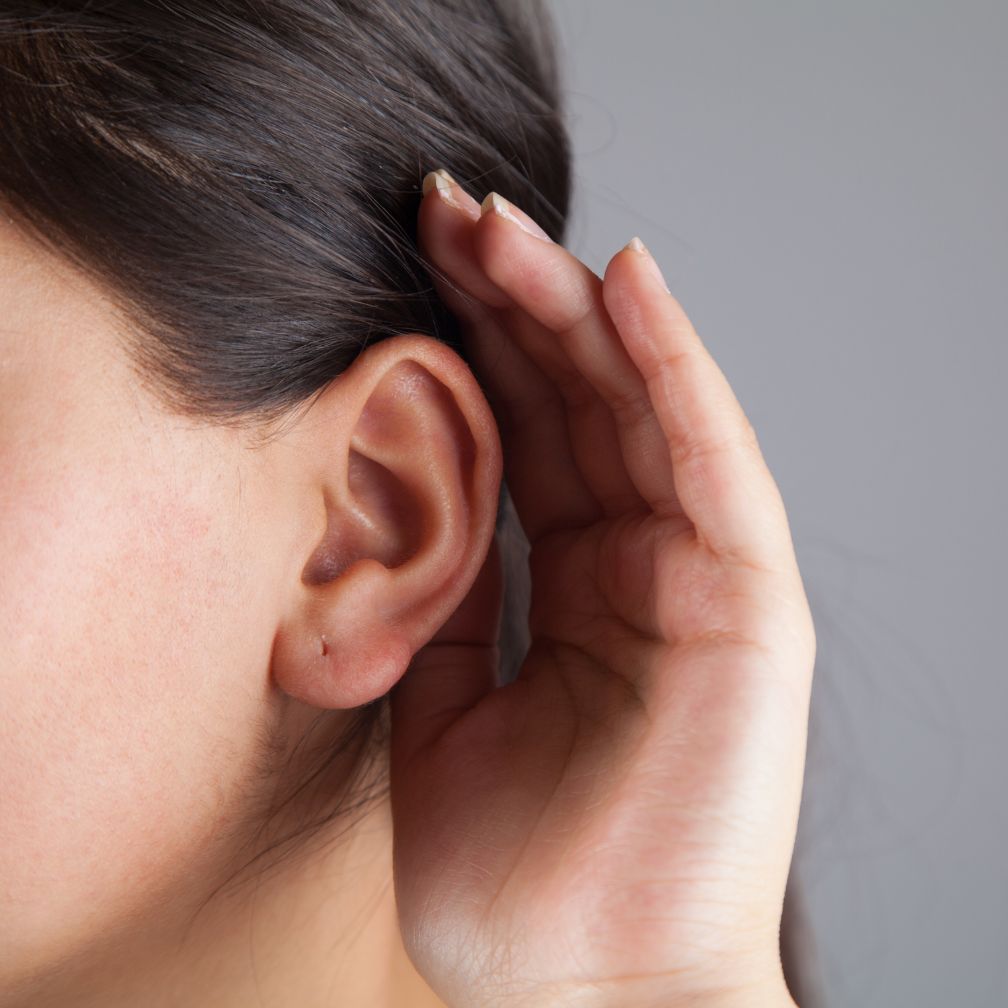
What is the source of that bizarre internal sound resembling continuous static or rushing wind inside your head? Why can’t anyone else hear it? You are not inventing these symptoms; the sensation is entirely real.
Thankfully, this specific issue is distinct from “phantom ring syndrome,” a sensory misfire tied to device dependency where individuals constantly anticipate digital tones or alerts.
Instead, these persistent acoustic distortions are classic indicators of clinical tinnitus. Make no mistake, this perceived internal audio is a legitimate medical symptom, and certain lifestyle habits can rapidly worsen its intensity.
While this background static is present, you can generally still decode the words of those around you. Rather, it simply feels as though an unwanted layer of acoustic static has been artificially superimposed over your entire auditory field.
Let’s analyze the physical mechanisms behind this internal white noise, discover its underlying causes, and outline actionable strategies to suppress or resolve it.
The Root of Tinnitus: Why Your Brain Tracks This Persistent Hum
Physiologically, tinnitus typically serves as an early clinical warning sign of underlying hearing loss. It is uniquely defined by a steady or variable acoustic signal that registers on top of everyday conversations. Depending on individual pathology, this subjective sound can remain mild enough to ignore during active hours. Alternatively, you might find yourself battling an intense presentation where the constant roar leaves you feeling completely helpless and desperate for relief.
You’ve probably tried to explain to people what you’re experiencing, but this form of hearing loss is difficult for people to understand if they’ve never experienced it for themselves.
You might find yourself wondering how a humming noise that sounds so incredibly vivid inside your skull can have no external reality. You may even question your own psychological stability, wondering if the condition is a form of auditory hallucination. It is deeply frustrating that an internal frequency can actively block your ability to understand clear speech from colleagues. Or leave you tossing and turning for hours, totally unable to secure standard nighttime rest?
Nocturnal Amplification: What Happens When Ambient Sound Drops
It is a well-documented clinical fact that a lack of environmental audio causes your internal ear noises to feel significantly worse. That’s because the noise you hear in your ears does not have to compete with any other sounds – for example, most people keep their bedrooms completely silent while they sleep at night. They don’t have any TV playing, no radio, no noise at all. If you combine a silent room with late-night introspection, the moment your awareness drifts to the localized humming, it transforms into an inescapable focus point that artificially amplifies the distress. Whether your condition presents as a faint hiss or a booming roar, a quiet nocturnal space creates a sensory vacuum that allows tinnitus to fully take control of your mind.
When Tinnitus Mimics Wind, Static, and Alternative Acoustic Textures
While explaining the condition to normal-hearing peers is a major hurdle, comparing notes with another person who has tinnitus can create unexpected doubt. They might describe a totally different frequency matrix or tonal texture, which easily leads you to conclude that your wind-like sound must be an entirely separate disease.
But chances are, it is. The explanation is simple: this auditory deficit is incredibly diverse, crafting unique sensory experiences for each patient’s brain layout. These include, but aren’t limited to, hearing:
- The fuzzy roar of unchanneled television feedback
- An unceasing structural or electrical humming sound
- An active, vibrating internal buzz resembling an electrical current
- Ringing
- An episodic, heavy thumping localized behind the eardrum
- A flat, continuous telephonic dial tone
In most cases, you’re the only one who can hear the white noise caused by tinnitus. So if you ask a primary physician to confirm your symptoms, they probably can’t. Out of medical necessity, your healthcare provider must rely entirely on your subjective self-reporting to establish the history.
Regrettably, this inability to physically verify the sound often causes individuals to feel isolated by a primary care provider who doesn’t specialize in permanent hearing loss.
Sharing his experience, a steelworker named Thomas noted: ‘When the internal ear static first became chronic, I sought help from my primary care provider. Though the practitioner casually acknowledged the probability of tinnitus, he failed to grasp how profoundly debilitating the constant roar was to my daily routine. He brushed off the symptom as though it lacked any real physical impact on my life. He seemed to think I could just ignore it and really didn’t offer any solutions.”
Speaking with a specialist can help solve this problem and can help identify solutions. In many clinical scenarios, the specific tonal characteristics of your internal noise provide vital diagnostic data regarding the most effective intervention path.
When the Internal Static Matches Your Pulse: Understanding Pulsatile Symptoms
The process of explaining your symptoms to a clinician becomes further complicated by the sheer diversity of ways this neurological deficit expresses its presence. For instance, if your internal static takes the form of a mechanical whooshing or rhythmic throbbing that mirrors the exact timing of your physical pulse, your diagnosis may be pulsatile tinnitus.
Fortunately, pulsatile tinnitus often yields a much higher cure rate than standard subjective tinnitus because it typically originates from identifiable structural health conditions, such as systemic hypertension or localized arterial narrowing.
Physically, the rushing noise can be created by changes in blood velocity through compromised or compressed pathways in the skull, resulting in an objective bruit. It’s critically important to get this checked out and treated, as in rare cases, the whooshing sound could be a sign that you’re heading for a seizure or stroke, either of which could prove fatal.
Objective Tinnitus: When Your Doctor Can Audibly Detect the Sound
Make no mistake: tinnitus is a highly disruptive, legitimate medical disorder that inflicts significant stress on a patient’s routine. While traditional forms defy direct observation, rare presentations of vascular tinnitus enable a trained professional to utilize an amplified stethoscope to audibly track the internal murmur alongside you. It is vital to understand that this objective phenomenon is unique to circulatory-driven cases, a category that is statistically much rarer than standard neurological tinnitus.
How did I get tinnitus? What caused this humming noise in my head?
In most clinical case histories, the principal cause behind this internal static is a history of sustained exposure to hazardous noise levels. This explains why the disorder is highly prevalent among professional musicians, concertgoers, and industrial laborers who operate within loud environments for consecutive hours over several years.
Several specific employment sectors generate high enough decibel baselines to directly induce permanent tinnitus, including:
- Factory Work – Operating around unmitigated industrial machinery for consecutive hours creates a highly toxic environment for your delicate hearing mechanisms. Beyond the raw volume, the high-pressure nature of manufacturing work spikes your stress hormones, which serves as a major secondary driver that worsens the internal ringing over time. If your job positions you near an active pneumatic riveter, you are facing a massive risk; these devices exceed 125 decibels, a level that causes immediate structural ear damage and severe, permanent static.}
- Commercial Agriculture – Do not blame your symptoms on a standard rooster call. While a crowing rooster registers at a surprising 90 decibels, contemporary agricultural environments embed machinery that is vastly more destructive to human ears. Industrial tractors, heavy combine harvesters, automated cherry-pickers, and vacuum milking lines generate continuous, extreme noise pollution. Even routine maintenance tasks pose a threat; a standard workshop table saw easily exceeds 85 decibels, a level that permanently damages hearing cells over a long timeline of exposure.}
- Pilot – A jet engine is a staggering 140 decibels, even if you’re 100 feet away. While pilots do tend to wear ear protection, they’re often right next to these engines in smaller crafts. There’s no ear protection strong enough to protect them against this constant exposure, so all those hours spent in the air getting their pilot’s licenses are also causing them to slowly lose their hearing.}
- Motorcyclists and First Responders – Spending forty hours a week operating a high-performance motorcycle exposes your ears to severe engine rumble and punishing wind drag, a combination that guarantees the development of chronic tinnitus and gradual hearing loss. This same physiological damage occurs through the regular use of snowmobiles or watercraft, though most people only experience these noisy machines during weekend recreation rather than their daily job.}
- Bartender – A person at the end of the bar calls out for a gin and tonic, and you need to be able to hear their order. But the music in these places is often so loud that you can’t hear someone right next to you, so your ears are constantly straining and working overtime to pick out what people are saying over the din. And if a live band is playing? Your ears might get damaged in the same way a musician’s hearing will.}
Across every single one of these vocational examples, the microscopic stereocilia (hair cells) inside your cochlea were physically damaged by prolonged high-decibel exposure. These specialized cells act as the body’s natural microphones, capturing frequencies and allowing your mind to comprehend speech and music. Unlike the rest of your body, when these hairs are damaged, they don’t heal or reproduce, and leave you with a distorted sense of hearing.
Everyday Variables That Can Cause Your Ear Ringing to Flare
In addition to primary acoustic trauma, a variety of systemic health issues and lifestyle habits can actively amplify the baseline static in your ears.
- Mental Health Challenges – Living with generalized anxiety or depression creates a highly frustrating catch-22 scenario. The moment your stress or mood drops, your neurological sensitivity to the ear ringing spikes, which immediately causes your psychological distress to worsen in response.}
- Failing to Protect Your Hearing – Your ears are highly sensitive and will ache when subjected to dangerous decibel levels. Do not try to be tough or tolerate the volume—take immediate steps to shield your ears, because you only get one set of auditory organs for life.}
- Systemic Hypertension – Allowing your blood pressure to remain elevated can actively restrict the critical microvascular oxygen supply reaching your delicate inner ear. This cardiovascular strain not only intensifies the perceived volume of the static instantly, but it also accelerates permanent cellular damage over a long timeline.}
- Smoking – That antsy feeling that you get in between cigarettes can worsen symptoms. While the answer may seem like you should have another cigarette, this is only making it worse the longer you smoke because of the impact smoking has on your cardiovascular system.}
- Specific Foods – Many individuals discover that daily caffeine intake and common sugar substitutes serve as direct agitators for their ear static. By keeping a meticulous food journal, you can cross-reference what you consume with the loudness of your symptoms to pinpoint exactly which items are worsening your condition.}
- Toxic Relationships – Spending time around highly negative or stressful individuals can actively exacerbate your tinnitus by driving up your blood pressure, anxiety, and depression. You must critically evaluate relationships that introduce chronic emotional friction, deciding if those interactions are worth sacrificing your physical hearing health. Keep in mind that while you possess zero power to alter another person’s personality, you retain full authority to limit your exposure to them.}
- Gestation – Statistically, roughly thirty-three percent of expectant mothers develop acute tinnitus symptoms, which are primarily driven by rapid hormonal shifts and natural fluctuations in blood volume and pressure.}
- Impacted Cerumen – A dense accumulation of earwax pressing directly against the tympanic membrane can distort sound and generate bizarre phantom noises. Securing a professional microsuction or debridement procedure to clear the wax can, in many instances, instantly eliminate the ringing.}
- Ototoxic Pharmaceuticals – A wide array of medications, including specific opiates, broad-spectrum antibiotics, loop diuretics, chemotherapy regimens, and even common over-the-counter NSAID painkillers, carry documented ototoxic side effects. It is highly recommended that you consult both an audiologist and your primary physician to thoroughly evaluate your current drug profile for ear risks.}
Reviewing Effective, Clinically Proven Tinnitus Management Options
If you suspect an underlying systemic pathology is driving your symptoms, consult with your managing physician immediately. Certain diseases will actively escalate the loudness of your symptoms, with clinical anxiety and high blood pressure being prime examples.
Following the successful treatment of any underlying physical diseases, you can pivot to advanced symptom-management strategies. Your rehabilitation roadmap can successfully integrate options like:
- Relaxation Practices – Engaging in deep meditation, mindfulness yoga, or low-impact exercise can significantly downregulate your body’s fight-or-flight triggers. Cultivating healthy, substance-free coping mechanisms for life’s pressures is a discipline few people acquire during childhood or standard schooling. Nevertheless, thousands of individuals choose to master these tools later in life because they are highly effective at quieting the internal static.}
- Using white noise to mask the sound while you sleep. White noise can offer immediate relief. Never try to drown the sound out with earbuds or with other loud noise exposure. That would only make the symptoms worse over time.}
- A hearing aid, which can be set to cancel the sound. Hearing aids today have advanced features like tinnitus cancellation. They can be programmed during the hearing aid fitting to emit a sound that cancels out the specific tone you hear.}
- Sound treatment, which trains your ear to ignore the sound. Sound therapists emit a sound into your ear that mimics the sound you hear. It teaches your brain to ignore the sound and focus on other sounds, like voices.}
- Cognitive Behavioral Therapy (CBT) – This specialized behavioral methodology gives patients the tools required to break free from anxious obsession and hyper-vigilance. If you are stuck in a habit of tracking negative life events or worrying about uncontrollable global issues, a CBT protocol can help. It provides the neurological retraining needed to anchor your focus on positive milestones and personal goals, effectively lowering the emotional stress that intensifies your ear ringing.}
Can Ambient Static Completely Eliminate Chronic Ear Ringing?
You’ve heard of fighting fire with fire, but what about fighting white noise with white noise? A major clinical trial recently conducted in the United Kingdom revealed that while ambient acoustic masking provides substantial relief to sufferers, it must be combined with comprehensive behavioral therapies to deliver long-term results.
There is currently no known cure for tinnitus – only treatments that can help you better manage your symptoms.
So what else can you do to treat your tinnitus? Your absolute highest priority should be to secure a professional hearing evaluation from an expert. This essential baseline test will reveal exactly how much the internal static is degrading your word recognition score and speech comprehension during daily conversation. After that, you should discuss treatment options with your local hearing experts.
Understanding Auditory Pareidolia: Why You Might Hear Music or Voices in Static
This probably isn’t tinnitus. And don’t worry, it’s probably not a form of schizophrenia or other psychiatric condition either. The most likely cause is Musical Ear Syndrome, apophenia, or audio pareidolia. Your brain uses pattern recognition to try to make sense of sounds. Consequently, when confronted with a steady, meaningless hum, your cognitive processing filters can accidentally misinterpret the data. For instance, pareidolia represents your mind’s natural habit of translating empty background sounds into a specific memory file, like a distinct musical rhythm. If there is no noise whatsoever, yet you still hear music, this may be a musical hallucination.