
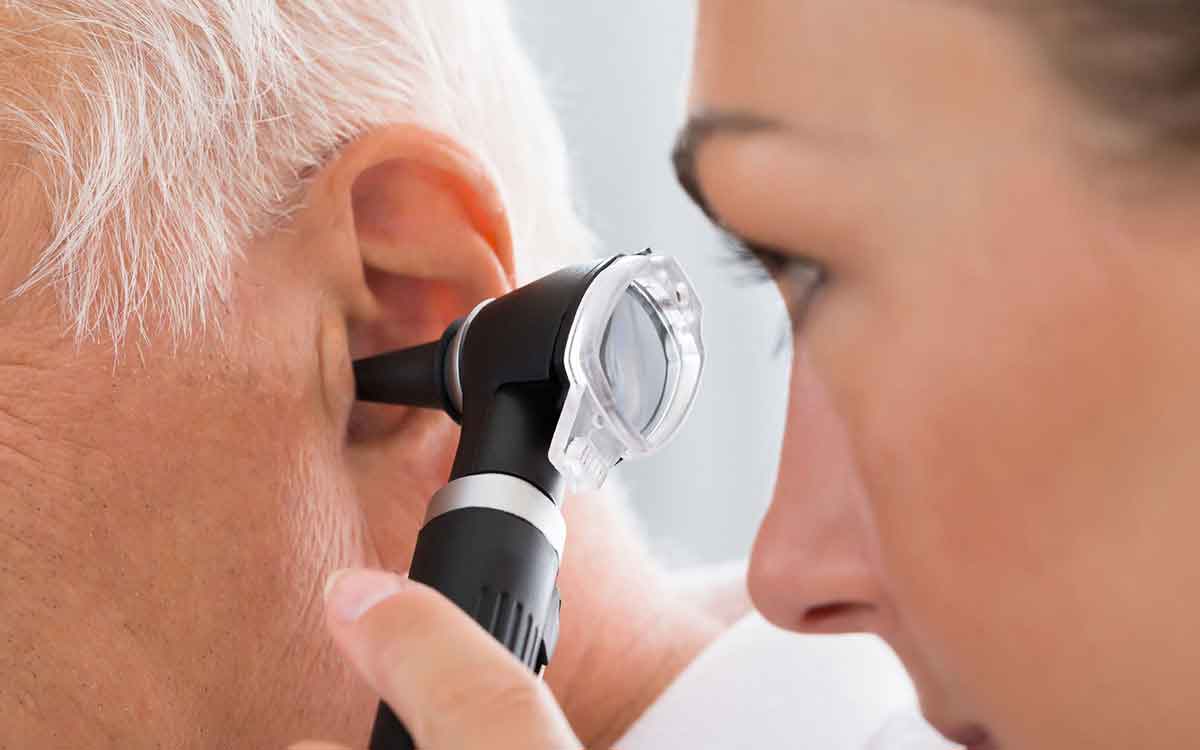
The insidious nature of hearing loss often causes early-stage indicators to be dismissed. Numerous individuals compensate subconsciously by raising the decibels on the television, requesting frequent repetitions, or withdrawing from high-noise settings.
Nevertheless, recognizing the preliminary signs of auditory impairment remains critical for long-term health.
Frequent Indicators of Initial Auditory Decline
If you observe any of the listed clinical signs, it may be time to have your hearing checked.
- Difficulty understanding conversations, particularly in noisy environments with a lot of activity.
- Frequently asking people to clarify their statements.
- Muffled or blurred vocalizations, where words sound blended together.
- Turning up the volume on the television and mobile devices higher than others prefer.
- Reduced sensitivity to high-pitched stimuli like children’s speech or doorbells.
- Occasional ear ringing or humming characteristic of tinnitus.
- Feeling cognitively fatigued after conversations, due to the strain of auditory processing.
- Isolating from communal environments as conversational tracking feels taxing.
These early signs of hearing loss may impact one or both ears and can be intermittent at first. Because the brain adapts quickly, many people don’t realize how much they’re compensating until hearing loss advances further.
Understanding Hearing Impairment Through Data
According to the World Health Organization, more than 700 million people will require hearing rehabilitation by 2050. Other noteworthy statistics consist of:
- By 2050, nearly 2.5 billion people are projected to experience some degree of hearing loss.
- More than five percent of the global community (roughly 430 million people) requires rehabilitation to manage disabling hearing loss.
- More than 1 billion younger individuals are at risk of avoidable hearing loss due to unsafe listening practices.
- Among those over the age of sixty, more than one-quarter suffer from clinically significant hearing loss.
Why Timely Auditory Assessment Matters
Untreated hearing loss may influence your overall health in manners you may not realize.
Research associates hearing loss with higher incidences of social isolation, depression, impairment, and equilibrium problems.
Identifying symptoms at an early stage ensures more effective outcomes and varied therapeutic choices.
Audiological testing differentiates between age-related decline, earwax buildup, or underlying infections.
Specific auditory fluctuations remain temporary and resolve with appropriate medical care.
For chronic conditions, the timely use of ear defense or hearing technology assists in managing the condition.
Recognizing the Need for Audiology Services
A clinical hearing assessment is warranted if you experience the following:
- Auditory symptoms persist for a duration exceeding several weeks.
- Difficulty hearing starts to impact professional tasks or personal routines.
- Instances of sudden decline, vertigo, or chronic tinnitus require urgent clinical attention.
Hearing evaluations are noninvasive and supply valuable information regarding your ear health.
We encourage you to contact our facility if you believe a hearing assessment is necessary.
Common Questions About Early-Stage Hearing Loss
Q: Are all auditory changes linked to getting older?
Answer: No. While common in seniors, hearing impairment can be caused by medications, loud noise, infections, or hereditary conditions.
Question: Is it possible to restore lost hearing?
Answer: Certain etiologies, such as earwax impaction or localized infection, are treatable. However, permanent types of hearing loss are often successfully managed with hearing aid technology or therapeutic strategies.
Q: How often should hearing be checked?
Answer: It is recommended that adults obtain a baseline assessment by age 50, with earlier testing for those with specific risk factors.