
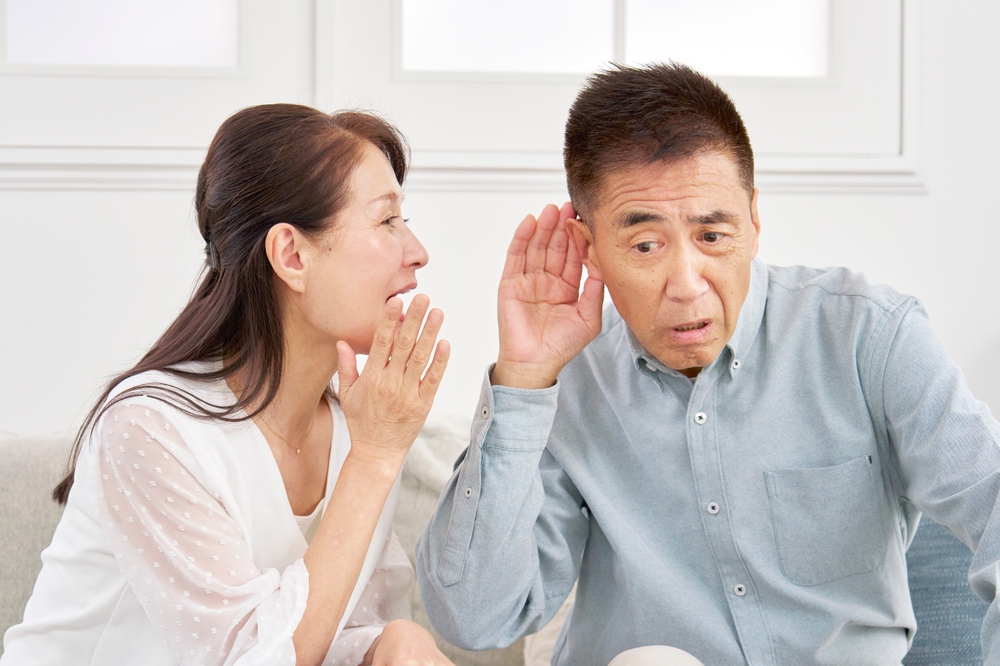
While auditory decline is statistically prevalent, pervasive misconceptions often deter individuals from pursuing clinical intervention. Early diagnostic accuracy is essential for anyone experiencing the onset of hearing loss. Subscribing to auditory misinformation can hinder treatment timelines and compromise social connectivity.
Separating hearing truths from common fallacies provides the confidence needed to address auditory changes. Let’s take a closer look at seven hearing loss myths that deserve to be clarified, along with the truths that put them in their place.
The Fallacy of Senior-Only Hearing Loss
While sensory shifts are frequent in seniors, hearing loss remains a cross-generational health concern. Noise exposure, genetics, infections, certain medications, and underlying medical conditions can all contribute to hearing problems in younger adults and even children.
Viewing hearing impairment through an age-restricted lens delays diagnosis for millions of younger individuals.
Myth: Hearing Perception Rules Out Impairment
Clinical hearing loss exists on a spectrum and rarely results in immediate total silence. Often, the issue is not a lack of sound but a lack of speech intelligibility in social settings. Audiology recognizes a diverse spectrum of impairment levels that fall short of total deafness.
Common indicators include struggling with speech in noise, requesting repetition, or experiencing post-social cognitive fatigue. These are common early signs of hearing changes that should not be ignored.
Myth Three: The Misconception of Minor Impact
The impact of aural decline reaches into the cognitive and emotional well-being of the patient. Evidence-based research correlates auditory neglect with social anxiety, mental fatigue, and depressive symptoms.
Seeking early treatment safeguards your social connections and your long-term neurological function.
Myth: Amplification Devices Accelerate Ear Damage
Some people believe that wearing hearing aids will cause their hearing to deteriorate more quickly, but that is not true.
Properly programmed hearing aids pose zero risk of physical damage to the auditory system. These devices use precision digital processing to target frequencies identified in your hearing test. By stimulating the auditory nerve, these devices help prevent the “unlearning” of speech sounds in the brain.
Myth: All Hearing Aids are Bulky and Noticeable
Recent innovations in hearing science have prioritized both power and miniaturization. Contemporary hearing aids deliver elite processing power within incredibly discreet housings. Numerous models—such as Invisible-in-the-Canal (IIC) devices—remain completely hidden during daily use.
Beyond their small profile, these devices feature AI-driven noise cancellation and seamless smartphone integration.
Why Even Mild Hearing Impairment Requires Attention
A “mild” diagnosis still carries the risk of social isolation and increased mental effort. Prompt intervention mitigates listening fatigue by making sound processing effortless for the neurological system.
Patients who pursue early help experience a much smoother transition to using hearing technology.
Myth: One-Size-Fits-All Hearing Solutions Work for Everyone
While OTC options offer simple volume boosts, they cannot address the unique nuances of your ear health. Only a formal assessment can provide the data needed to create a truly effective and personalized treatment plan.
The difference between “generic” and “custom” is measured in both physical comfort and speech understanding.
Don’t Let Hearing Loss Myths Hold You Back
Any change in hearing can feel scary, which is why many people brush it off and delay seeking care. Auditory fallacies act as roadblocks to the treatment that could change your life today. The good news is that hearing evaluations are simple, painless, and highly informative.
If your ears feel “different,” scheduling a formal evaluation is the responsible next step for your health. Intervening early is a proven strategy for maintaining a high standard of living through better hearing.
For more information or to book your next hearing test, please contact our clinic today. Contact our office today to schedule your personalized hearing consultation.