
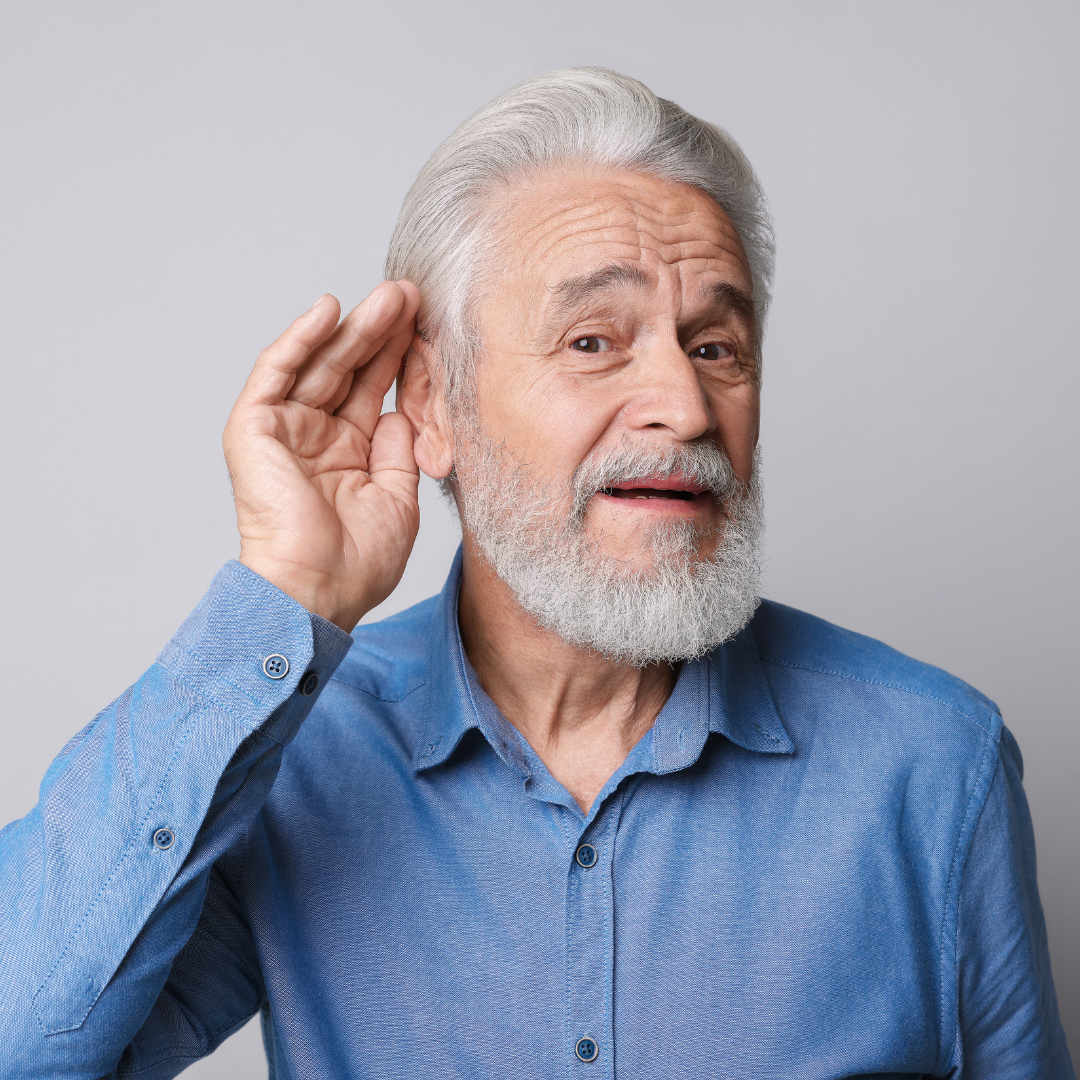
The sudden loss of auditory sensitivity in one ear is frightening and frequently leaves patients unsure of how to seek care. We provide immediate hearing assessments and coordinate urgent medical intervention when an acute auditory decline occurs. An acute sudden hearing loss consistently necessitates immediate examination by a hearing professional to begin medical therapy or targeted hearing rehabilitation.
Why Sudden Unilateral Hearing Loss Is a Clinical Emergency
Yes, without question. Sudden hearing loss in one ear should be treated as a medical emergency, particularly when it develops within hours or over a few days. Sudden sensorineural hearing loss (SSNHL), frequently referred to as sudden deafness, stems from pathology within the cochlea or the auditory nerve pathways. It standardly presents without physical discomfort, often being erroneously dismissed as simple earwax impaction or sinus congestion.
Possible signs include:
- A sudden decline in unilateral sound perception or vocal intelligibility
- Struggling to decipher telephone conversation when holding the receiver to the affected ear
- A popping sensation or pressure before hearing changes
- Newly acquired tinnitus presenting as high-pitched ringing, clicking, or roaring in that ear
- The sudden appearance of true vertigo, gait imbalance, or persistent dizziness
Avoid waiting passively to see whether normal hearing thresholds return independently. Contact us, an urgent care clinic, or an ear, nose, and throat specialist for same-day guidance.
Why Rapid Clinical Intervention Matters for Sudden Unilateral Hearing Loss
Early evaluation matters because treatment for sudden sensorineural hearing loss is generally most useful when it begins promptly. We must immediately determine if the loss is conductive—stemming from earwax blockage or middle-ear pathology—or sensorineural, signifying inner ear or neural involvement. These conditions can feel similar but require different care.
Direct otoscopic visualization and a comprehensive diagnostic hearing test precisely establish the underlying type, audiometric configuration, and severity of the loss.
Pursue immediate hospital emergency assessment if your sudden hearing loss coincides with:
- Acute facial nerve weakness, asymmetrical drooping, or numbness
- Speech slurring, expressive language difficulty, mental confusion, or an acute severe headache
- Acute visual disturbances, fainting spells, or marked ambulatory unsteadiness
- Sharp chest discomfort or related symptoms of acute cardiovascular distress
These symptoms may indicate a neurological or vascular emergency and should not be evaluated through a routine appointment.
Clinical Causes and Mechanisms Behind Sudden Hearing Loss
In approximately ninety percent of sudden sensorineural hearing loss presentations, no single definitive cause is ever confirmed. When a cause can be identified, it may involve inflammation, injury, circulation, the immune system, or another condition affecting the inner ear or auditory nerve.
Potential medical causes encompass:
- Systemic or localized viral and bacterial infections
- Blunt head trauma, concussive injury, or acute acoustic trauma
- Autoimmune inner ear disease or systemic inflammatory disorders
- Exposure to prescription ototoxic medications that harm cochlear hair cells
- Acute circulatory compromise or cochlear microvascular infarction
- Peripheral inner ear pathologies such as classic Ménière’s disease
- Central neurological pathologies including multiple sclerosis
- A benign neoplasm such as an acoustic neuroma along the hearing and balance nerve
Because the difference cannot be confirmed by symptoms alone, prompt examination and audiologic testing are important.
Medical Management and Interventions for Sudden Sensorineural Hearing Loss
Corticosteroids are widely prescribed as the cornerstone medical treatment for idiopathic sudden sensorineural hearing loss. They may be taken by mouth or delivered through the eardrum into the middle ear, where the medication can reach the inner ear. We establish personalized treatment regimens by evaluating the chronological window, decibel severity of the impairment, systemic health conditions, and drug contraindications.
Corticosteroid therapy is standardly initiated within the first two weeks post-onset, making it vital to commence treatment as early as clinically feasible. Local intratympanic injections of steroids provide a valuable secondary salvage protocol when systemic therapy yields suboptimal hearing recovery. In specific clinical presentations, the otolaryngologist may recommend combining hyperbaric oxygen therapy alongside standard steroid regimens.
Understanding Spontaneous Recovery in Sudden Sensorineural Hearing Loss
A sudden sensorineural hearing loss may occasionally resolve on its own without pharmacological treatment. About half of affected people regain some or all of their hearing spontaneously, often within the first one to two weeks. However, there is no reliable way to know at the beginning who will recover, how much hearing will return, or whether the improvement will last.
Hoping for spontaneous recovery does not justify waiting or postponing clinical intervention. Medical interventions become markedly less effective at reversing permanent deficits when delayed by weeks, closing a critical therapeutic window. Auditory outcomes differ substantially among patients, ranging from full recovery to partial or minimal improvement.
What If Hearing Loss in One Ear Doesn’t Respond to Treatment?
When medical therapy fails to restore hearing, secondary strategies are determined by residual pure-tone thresholds, word-recognition performance, and diagnostic rule-out testing. We often coordinate a contrast-enhanced MRI study or an auditory brainstem response test to evaluate the vestibulocochlear nerve pathway.
Advanced long-term management strategies feature:
- Fitting a traditional hearing aid whenever the affected ear possesses aidable hearing capacity
- Fitting a dedicated CROS device that transmits acoustic information from the poorer side to the unimpaired ear
- An osseointegrated bone-conduction hearing system or bone-anchored hearing device for qualifying candidates
- A surgically placed cochlear implant for eligible individuals experiencing profound single-sided deafness
- Dedicated assistive listening technology engineered for challenging workplace, classroom, or group conversations
Individualized audiologic rehabilitation actively addresses listening fatigue, compromised directional localization, and conversational strain. Determining the ideal intervention depends upon your diagnostic hearing test metrics, lifestyle demands, medical history, and personal communication goals.
Book an Immediate Diagnostic Hearing Evaluation
If your hearing changed suddenly today or during the past several days, request same-day medical direction rather than waiting for a routine consultation. We can perform diagnostic hearing testing, compare both ears, review when the change began, and coordinate with an ear, nose, and throat physician or another medical provider when necessary.
Contact us to request a prompt hearing appointment.