
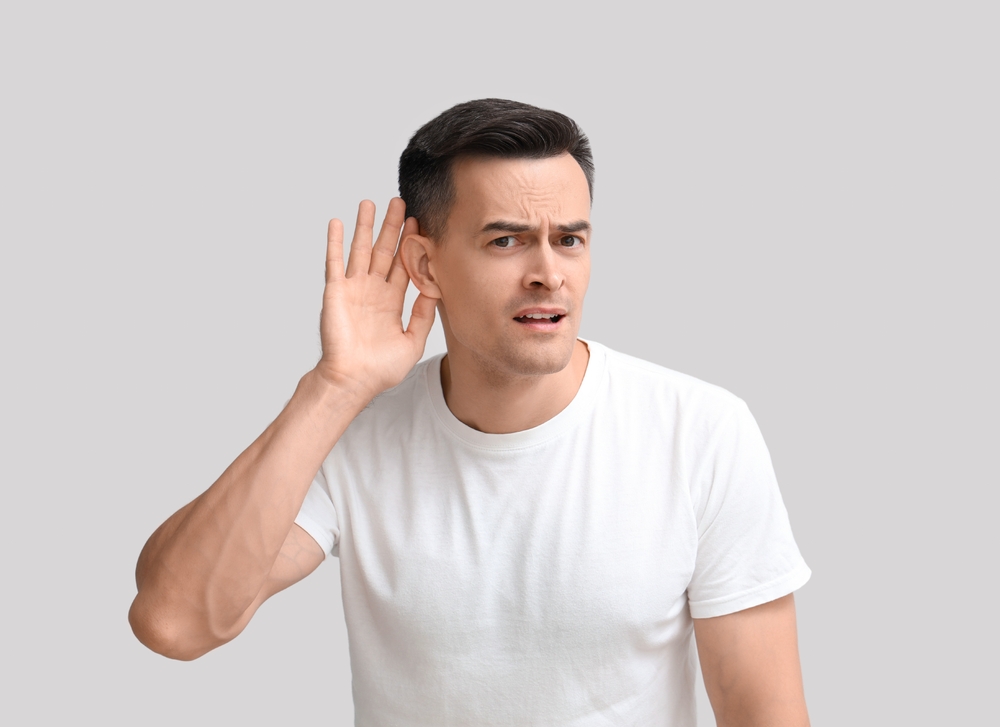
Is it common for you to feel physically and mentally spent after navigating a social environment?
You might initially blame your exhaustion on general tiredness or a busy lifestyle. And it’s true that for introverts or people with sensory issues, social situations can be exhausting. But in some cases, the cause is a lesser-known culprit: auditory fatigue.
This condition manifests when the brain’s auditory cortex is forced into an overactive state to interpret sound. The brain’s attempt to reconstruct incomplete audio data requires an immense amount of “processing power” and neural energy. This persistent neurological demand inevitably results in deep mental and emotional burnout.
Most individuals fail to distinguish between localized auditory fatigue and general fatigue. This type of burnout often points toward a functional decline in the auditory system. A comprehensive assessment can help determine whether hearing loss is contributing to your symptoms. If this cycle of exhaustion is recurring, consult an audiologist to investigate the influence of hearing loss.
Why Your Brain Suffers from Auditory Fatigue
Multiple variables contribute to heightened cognitive demand during sound processing, elevating the risk of auditory fatigue.
The Hidden Cost of Ignoring Hearing Loss
The absence of treatment for hearing loss is the most frequent driver of this neurological strain.
When the ears cannot detect certain sounds clearly, the brain tries to compensate by filling in gaps. The mental labor required for constant speech reconstruction causes energy levels to plummet during social interaction.
Noisy Environments
High-noise environments significantly exacerbate the symptoms of auditory fatigue. Settings like busy cafes or group discussions often present a low signal-to-noise ratio that obscures speech.
In multi-source sound environments, the brain must exert massive energy to suppress irrelevant noise. This intensive filtering often leads to cognitive overload, even in patients with “hidden” or sub-clinical hearing loss.
How Internal Noise Increases Listening Effort
Chronic tinnitus compounds listening effort as the brain struggles to ignore internal noise while focusing on external speech.
Degraded signal quality resulting from hearing loss forces the auditory cortex into an inefficient processing loop.
Clinical Red Flags for Auditory Fatigue
Auditory fatigue can affect both mental focus and overall energy levels. Common signs include:
- Profound mental burnout after speaking with others
- Struggles with cognitive focus during collaborative sessions
- Development of “listening headaches” after long social events
- Feeling “on edge” or frustrated when trying to follow a conversation
- Withdrawing from conversations or social events
- The need for a “quiet recovery period” following social exposure
Recurring instances of these symptoms suggest that your auditory processing system is operating at an inefficient level.
The Cognitive Cost of Auditory Decline
Under optimal conditions, the auditory cortex decodes language with minimal neural expenditure. Conversely, hearing loss forces the brain to redirect energy from other executive functions to assist in sound decoding.
This state of over-exertion is technically referred to as an elevated cognitive load. It involves the brain siphoning energy from memory retrieval and focus to prioritize basic speech understanding. The long-term effect of this cognitive shift is the profound “emptiness” felt after socializing. Even short conversations may require more concentration than they should.
Using Clinical Evaluations to Uncover Auditory Strain
A formal auditory screening is the most effective way to determine why you feel so drained. In the clinic, an expert will assess your ability to detect specific pitches and interpret clear speech. They may also evaluate how well you understand speech in background noise, which can reveal challenges that may not appear in quiet settings.
A professional assessment confirms the link between your ears and your exhaustion, enabling targeted care. Timely audiological care is the most effective way to halt the progression of auditory fatigue.
Restoring Energy Through Hearing Care
Clinical intervention is proven to drastically reduce the mental burden of communication.
Advanced hearing aids utilize AI to sharpen speech signals while simultaneously suppressing irrelevant environmental noise. By delivering a clean signal, these devices eliminate the need for the brain to expend energy on reconstruction.
As the cognitive burden of hearing is lifted, patients typically report gains in:
- Mental energy throughout the day
- Sharper concentration when speaking with others
- Feeling relaxed and confident in noisy environments
By reducing neural over-exertion, your daily life regains its sense of ease and fluidity.
Is it Time for a Professional Hearing Check?
A professional screening is recommended if you identify with these patterns:
- Socializing feels like a high-intensity mental workout
- You are increasingly told that you are missing parts of the conversation
- You find yourself “guessing” at words in loud settings
- You have begun declining invitations because you are tired of the effort to hear
Addressing hearing concerns early can help reduce listening strain and improve overall quality of life.
FAQs About Auditory Fatigue
Distinguishing Between Exhaustion and Impairment
No—fatigue is the “symptom” (burnout), whereas loss is often the “cause” (the impairment). However, hearing loss is one of the most common causes of auditory fatigue.
Can Technology Lower My Cognitive Load?
Yes—current technology is specifically designed to minimize the cognitive cost of communication.
Is auditory fatigue permanent?
Most patients find that their energy returns once the listening “gap” is closed with technology.
Stop Feeling Drained After Conversations
Socializing should replenish you, not leave you feeling drained. When simple listening becomes a chore, it is a sign of an inefficient auditory processing loop.
Don’t wait for the burnout to get worse; schedule your audiological check today. Reclaim your social life and your energy by getting the truth about your auditory health today.